
If you need reliable wind data for a wind project, the type of sensor used is more important than many people realise. In the field of wind energy, wind sensors are used for more than just basic weather monitoring; they are also employed for site assessment, turbine testing and performance verification. Accurate measurements of wind speed and direction help developers, operators and test teams to understand whether a site is suitable, whether a turbine is performing as expected and whether the collected data can inform technical decisions. IEC 61400-12-1 specifically covers power performance measurements for electricity-producing wind turbines, and the wider wind industry also relies on structured wind measurement programmes during project development and evaluation.
Why Are Wind Sensors Important in Wind Energy Projects?
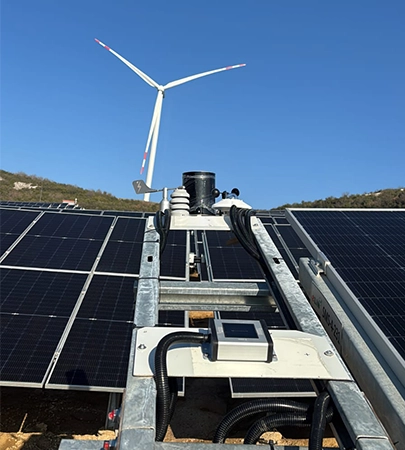
Wind turbines do not operate in simple, steady airflow conditions. Wind conditions are constantly changing due to terrain, season, turbulence and weather patterns. For this reason, wind sensors are an essential component of any serious wind measurement setup.
In practice, wind sensor data is used to support:
- Wind resource assessment
- Project feasibility studies
- Meteorological mast measurements
- Wind turbine power performance testing
- Operational troubleshooting and data validation
Both NREL and the U.S. Department of Energy describe wind measurement as a key part of wind resource assessment, emphasising the importance of accurately predicting and measuring wind speed, wind direction and turbulence.
Where Are Wind Sensors Commonly Used in the Wind Sector?
Wind sensors are commonly used in two main stages of a wind project.
During project development
Before a wind farm is built, developers need to understand whether the site has enough usable wind. That requires a structured wind measurement campaign, typically using meteorological equipment to capture wind speed and direction over time. NREL’s wind resource assessment guidance was developed specifically to support formally structured wind measurement programs for wind-energy feasibility work.
During turbine testing and performance verification
Once turbines are installed, wind sensors are also used to help evaluate turbine performance. A wind turbine’s power curve is one of its most important performance characteristics, and power performance testing compares measured wind conditions with electrical output. IEC 61400-12-1 defines the procedure for measuring the power performance of a single wind turbine connected to the grid, and DNV describes power-curve determination as one of the key goals of this type of testing.
How Are Wind Sensors Used in Wind Turbine Testing?
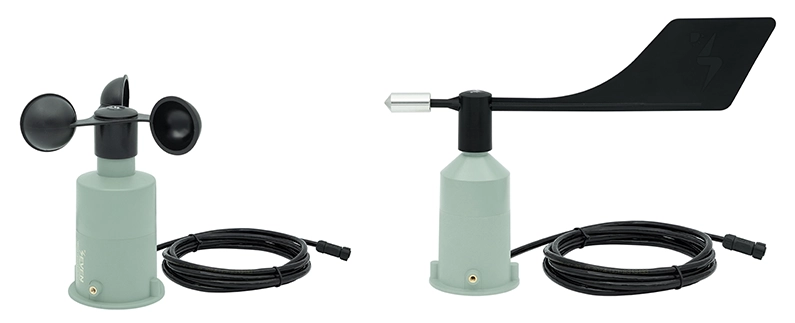
The aim of wind turbine testing is not just to establish that it was windy. Rather, the aim is to measure wind conditions in a technically reliable way that allows them to be compared with turbine output.
This is important because turbine testing often depends on answering questions such as:
- Is the turbine producing the expected power at a given wind speed?
- Does the measured performance match the expected power curve?
- Is the site data stable and credible enough for reporting or technical evaluation?
The IEC 61400-12-1 standard exists because wind turbine power performance needs to be measured using a defined and repeatable procedure rather than rough weather estimates.
What Should You Look For in a Wind Sensor for Turbine Testing?
Not all wind sensors are suitable for technical wind energy work. For wind turbine testing and related measurement tasks, the focus should be on data quality.
The most important points usually include:
- Calibration traceability
- Documented measurement uncertainty
- Stable response under controlled conditions
- Repeatability across the operating range
- Suitability for IEC-related wind measurement practices
A well-documented calibration process is important because it shows users that the sensor’s response has been verified in controlled conditions, rather than being assumed based on nominal specifications alone.

How Does Seven Sensor Support Accurate Wind Measurement?
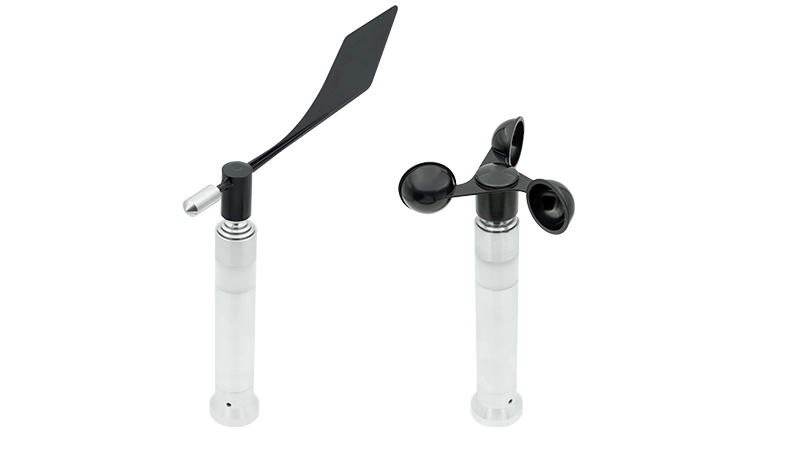
SEVEN offers a wide range of wind sensor models for wind-related applications. These models vary in terms of material, including aluminum and plastic, as well as output type, such as pulse, Modbus RTU, and analog. They are also available with or without a heating option.
At Seven Sensor, our wind sensors are calibrated by third-party laboratories accredited by TÜRKAK in accordance with TS EN ISO/IEC 17025:2017. In addition, each unit is also tested and calibrated in our factory wind tunnel using a calibrated reference instrument.
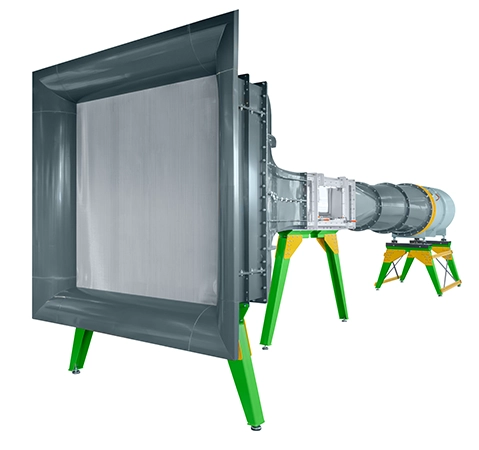
During calibration, key parameters such as air density are kept constant, while turbulence is minimized and flow conditions are stabilized before measurements are taken. Under these controlled conditions, our sensors remain within the specified ±5% accuracy range across the calibrated wind-speed points.
For example, at a reference wind speed of 10 m/s, the sensor output remains within:
9.5 m/s <= V <= 10.5 m/s
This calibration process provides documented evidence of sensor performance, deviation, and measurement uncertainty across the operating range.
Which Applications Fit This Type of Wind Sensor Best?
For Seven Sensor, the strongest and most credible use cases are:
| Application | Why wind sensors matter |
| Wind resource assessment | Supports structured wind measurement before project development |
| Meteorological mast measurements | Provides wind speed and direction data for site evaluation |
| Wind turbine testing | Helps compare wind conditions with turbine power output |
| Performance checks | Supports technical investigation when turbine behavior needs review |
Frequently Asked Questions (FAQ)
Can seven wind sensors be used for wind turbine testing?
Yes. Wind sensors are commonly used in such testing, particularly in applications where measured wind conditions need to be compared with turbine output, or where they are used as part of a broader performance evaluation.
Why is calibration important for wind sensors, and how does SEVEN calibrate them?
Calibration helps to verify how the sensor responds under controlled conditions. This provides users with documented information about accuracy, deviation and uncertainty, rather than relying solely on nominal specifications. At Seven Sensor, our wind sensors are calibrated by third-party laboratories accredited by TÜRKAK in accordance with TS EN ISO/IEC 17025:2017. Each unit is also tested and calibrated in our factory wind tunnel using a calibrated reference instrument.
When are the wind sensors used?
They are used both before and after wind farm installation. Before construction, they support wind resource assessment. After installation, they can support turbine testing, performance checks, and measurement validation.
What are the wind sensor models that SEVEN provide?
SEVEN offers a wide range of wind sensor models for wind-related applications. These models vary in terms of material, including aluminum and plastic, as well as output type, such as pulse, Modbus RTU, and analog. They are also available with or without a heating option.