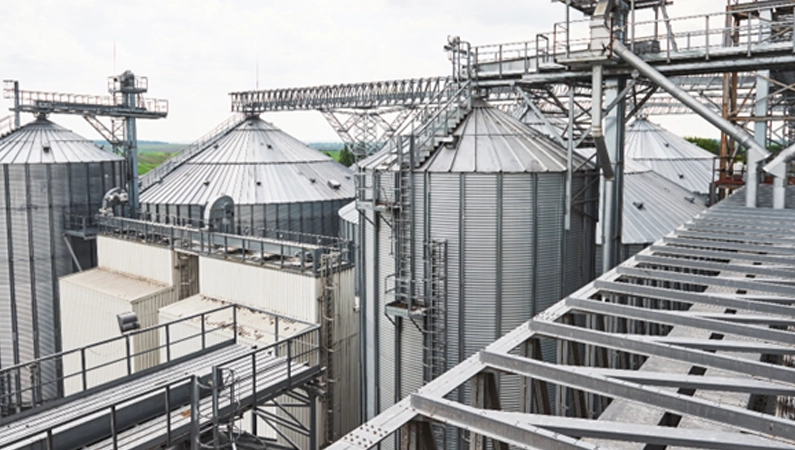
SEVEN Sensor is a trusted manufacturer of high-quality silo level sensors. SEVEN sensors are designed to meet the needs of industries that store bulk materials, providing reliable monitoring for safe and efficient operations in sectors like agriculture, cement, chemicals, and food processing.
Silo level sensors provide reliable monitoring of bulk material storage, preventing overfilling, production stoppages, and equipment damage. With proven technologies such as rotary paddle and capacitance sensors, SEVEN Sensor ensures accurate level detection and safe, efficient silo operations across industries.
Why Are Silo Level Sensors Important?
Silos store powders, grains, pellets, and other bulk solids. Without proper monitoring, risks include:
- Overfilling and spillage leading to safety hazards.
- Emptying errors disrupting production.
- Equipment wear due to unexpected bridging or blockages.
A well-chosen level sensor prevents these problems while enabling automation and cost savings.
What are the Differences Between Rotary Paddle and Capacitance Silo Level Sensors?
 |
 |
|
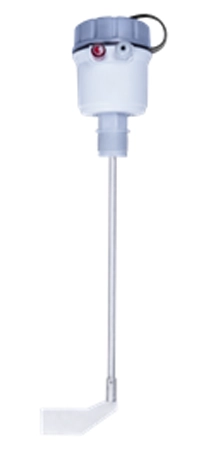
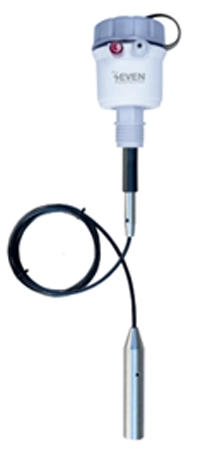
| Product | Rotary Paddle Sensor (3S-SLS-RP) | Capacitive Sensor (3S-SLS-CA) |
| Detection Type | Point-level (full / empty) – paddle stops rotating when material present. | Point-level – detects change in capacitance when material touches probe / reaches trigger level. |
| Power Supply | 18-30 VDC (nominal 24 V). | 18-26 VDC (nominal 24 V). |
| Output / Signal | Relay (dry contact), LED status (flashing, continuous on/off). | Relay (ON/OFF), LED indicator; COM-NO / COM-NC output. |
| Probe / Paddle Adjustability | Multiple torque levels; optional extension shaft; thermal protection for high temp. | Optional different rope lengths; adjustable sensitivity (potentiometer). |
| Operating Conditions | -40°C to +65°C; operation in dusty, abrasive environments; needs correct mounting (horizontal/vertical) and protection from water. | Same temp range; for dusty materials, periodic cleaning; protect from dust and moisture. |
| Maintenance Considerations | Mechanical wear—bearings, shaft; torque adjustments; more moving parts. | No moving mechanical parts; mainly calibration, cleaning of probe/rope; sensitivity may drift due to dust. |
| Typical Materials | Grains, pellets, coarse powders, cement, sand, animal feed, Fine powders (flour, sugar, cement), sticky materials, resins, chemicals | Grains, pellets, coarse powders, cement, sand, animal feed, Fine powders (flour, sugar, cement), sticky materials, resins, chemicals |
Which Types of Silo Level Sensors Are Most Common?
Silo monitoring relies on several sensor technologies, each suited to specific conditions. The most established are rotary paddle and capacitance sensors, while ultrasonic, radar, vibrating, and microwave barrier sensors are also widely used in modern facilities.
- Rotary paddle sensors detect when stored material blocks a rotating paddle, making them a simple and cost-effective solution for point-level detection in grains, pellets, and powders. They are rugged but can wear faster in abrasive or sticky materials.
- Capacitance sensors measure changes in capacitance when material touches a probe. They work well with powders and sticky solids, offering sensitive detection without moving parts. Regular calibration is needed, and accuracy can be influenced by material properties.
- Ultrasonic sensors use sound waves to measure the distance to the material surface. They provide non-contact measurement and are effective for powders and granules, though heavy dust or humidity may reduce performance.
- Radar sensors operate on the same principle with microwave pulses, delivering precise and reliable readings even in tall, dusty, or high-temperature silos. They are highly robust but come at a higher cost.
- Vibrating (tuning fork) sensors register changes in vibration when covered by material. Compact and reliable for powders and fine solids, they are less suitable for coarse or heavy bulk products.
- Microwave barrier sensors send a microwave beam between a transmitter and receiver, with interruptions indicating material presence. They excel in extreme or dusty environments but require precise installation.
Why Choose SEVEN Sensor as Your Manufacturer?
We emphasize:
- Manufacturing strength: Proven product lines, strict quality control, durable materials.
- Flexibility: Custom paddle sizes, probe designs, and housing materials.
- Support: Detailed manuals (Rotary Paddle Manual, Capacitance Sensor Manual) and responsive technical help.
- Future-ready integration: Compatible with monitoring systems and IoT gateways for data export, alarms, and trend analysis.
Frequently Asked Questions (FAQ)
How often is maintenance required for silo sensors?
Rotary paddles may need paddle or bearing replacement over time. Capacitance probes have no moving parts and need mainly cleaning.
Can one sensor type handle all silo materials?
Both rotary paddle and capacitance sensors are versatile and can be used across a wide range of bulk materials. For example:
Grains and seeds: wheat, corn, soybeans, rice, sunflower seeds
Animal feed and food ingredients: flour, sugar, coffee, powdered milk, pellets
Plastics: plastic pellets, resins, powders
Building materials: cement, lime, gypsum, sand
Chemicals and minerals: salts, fertilizers, powdered chemicals, minerals
Do silo level sensors work in dusty or hazardous environments?
Yes. We provide models designed for dusty and abrasive zones.
Can these sensors integrate with digital monitoring systems?
Yes. Our models support analog and relay outputs, and can be connected to gateways for data logging, alarms, and cloud monitoring. They can also be integrated with automation systems.
What industries rely most on silo level sensors?
Key sectors include agriculture (grains, feed), cement and building materials, plastics, chemicals, food processing, and energy.
What is the warranty period of the silo sensors?
All sensors come with a 2-year warranty.
How do I set up the sensor?
Follow our user manuals which include step-by-step instructions for configuring the sensors. Contact us if setup support is needed.
What is the price of silo level sensors?
Depending on the model and included accessories, the silo sensors are available between 160 USD and 220 USD.