SMA Weather Station
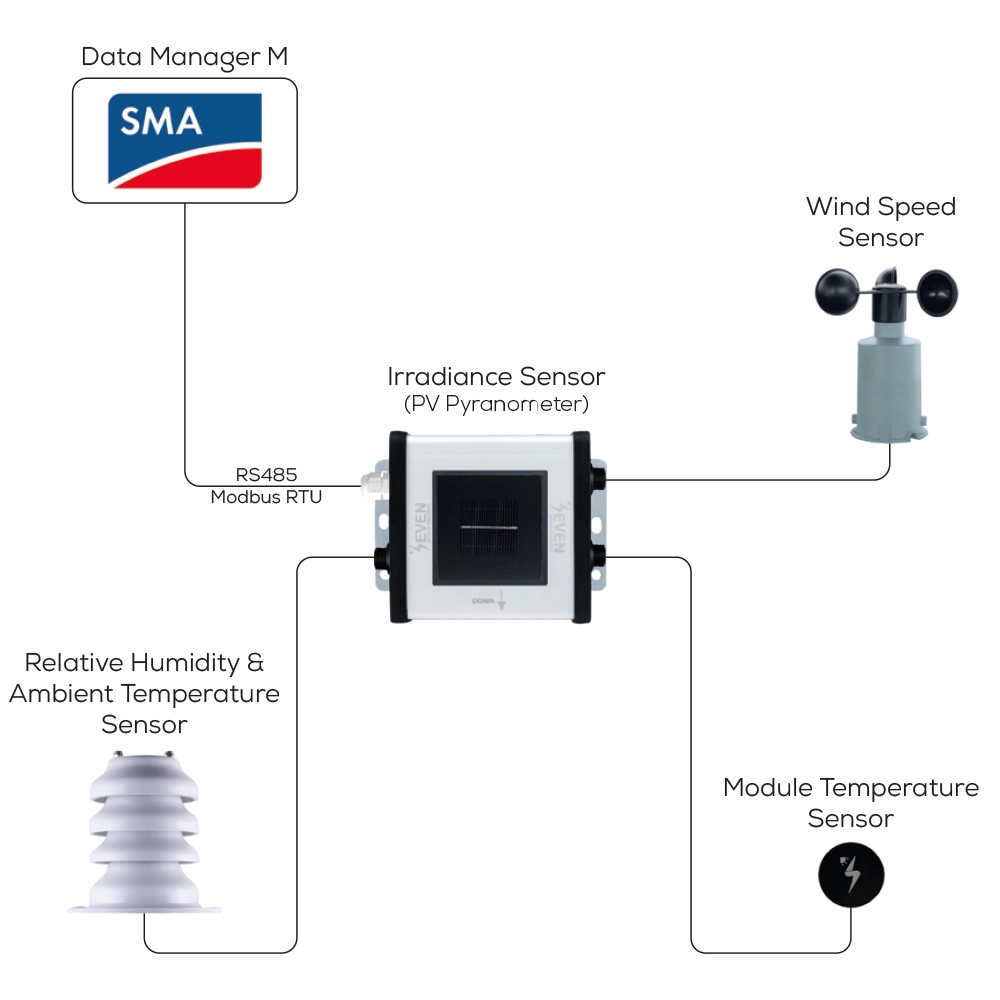
If you need a weather station that works reliably with SMA Data Manager M and Sunny Portal, this solution is designed precisely for that purpose. SEVEN Sensor offers a complete weather station compatible with SMA for solar power plants. This station includes the essential sensors needed to accurately monitor field conditions and provide better performance analysis.
The required sensors in your weather station
| Product Photo | Sensor |
|---|---|
|
|
|
|
|
|
|
|
|
|
What is an SMA Weather Station Used For?
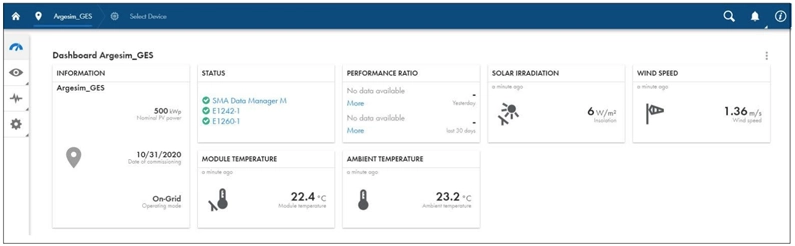
An SMA weather station helps solar plant operators measure the environmental conditions that directly affect PV performance. In practice, it allows you to track the data that matters most, including:
- Solar irradiance
- Ambient temperature
- Module temperature
- Wind speed
- Relative humidity
This data provides operators and engineers with a clearer picture of how the facility performs under actual field conditions. It also facilitates comparing expected yield with actual production and identifying potential losses or abnormal behavior.
Why is an SMA Weather Station Important for Solar Plants?
Solar production is directly affected by weather conditions. Without accurate site data, it is much harder to understand whether a plant is performing as expected.
An SMA weather station helps you:
- Compare actual production with site conditions
- Analyze performance losses more accurately
- Improve fault detection and troubleshooting
- Build more reliable reports for plant evaluation
- Support long-term O&M decisions with real measured data
For any solar project that depends on consistent monitoring, weather data is not an extra feature. It is a key part of performance analysis.
Which Sensors are Included in the SMA Weather Station?
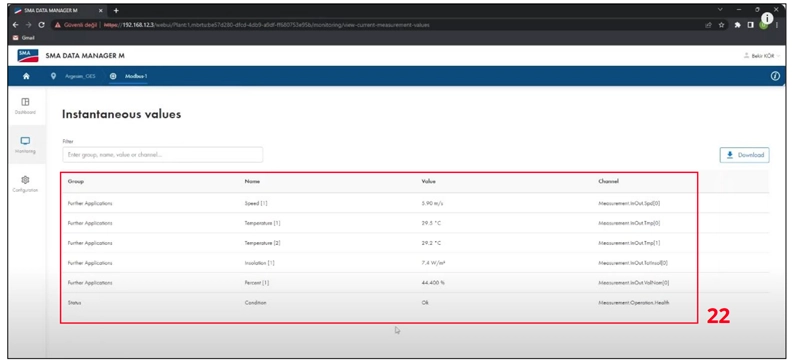
A complete SMA weather station can include the core sensors required for solar monitoring.
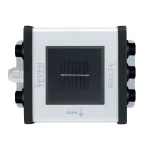
Irradiance Sensor
The system includes an irradiance sensor with a Modbus RTU output. This sensor measures solar irradiance, a key reference value for understanding plant performance. This makes it one of the most important components in a PV monitoring setup. It can also be used as a reference cell and includes an internal temperature sensor to measure temperature-compensated irradiance.
Ambient Temperature Sensor
Ambient temperature helps you to understand the environmental conditions surrounding the facility. Since temperature directly affects PV performance, this measurement enables a more accurate analysis of production behaviour.
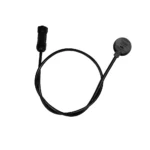
Module Temperature Sensor
Module temperature is measured from the back of the PV panel and shows the actual operating temperature of the module itself. This is especially useful because module temperature can differ significantly from ambient temperature. Tracking it helps engineers evaluate efficiency and interpret the plant’s output curve more accurately.
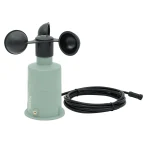
Wind Speed Sensor
The wind speed sensor measures on-site wind conditions and sends that data to the SMA system. In solar projects, wind data can be valuable for environmental monitoring and for understanding broader operating conditions.
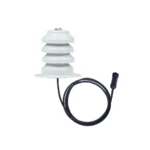
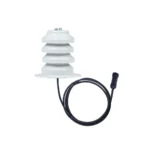
Relative Humidity Sensor
The system can also include a relative humidity and ambient temperature sensor. This provides another layer of environmental data for photovoltaic systems, especially where weather conditions need to be monitored in more detail. When this sensor is connected, a separate ambient temperature sensor is not required, as the relative humidity sensor is also capable of measuring ambient temperature.
What are the Key Benefits of SMA Weather Station?
A well-designed SMA-compatible weather station offers more than just sensor readings. It helps create a more complete picture of plant behavior.
Main advantages
- Reliable monitoring data for SMA-based PV plants
- Full set of key meteorological measurements in one solution
- Compatibility with SMA Data Manager M
- Integration with Sunny Portal monitoring workflows
- Support for performance analysis, troubleshooting, and reporting
- Remote setup support from SEVEN Sensor engineers
How Does the Weather Station Connect to SMA Data Manager M?
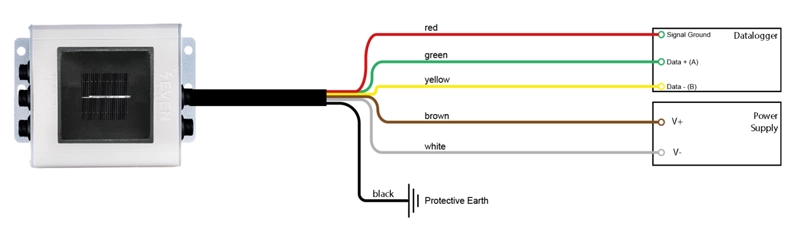
The weather station communicates with Data Manager M using RS485 and Modbus RTU.
A typical wiring approach is:
- RS485 A / Data (+), RS485 B / Data (–), and RS485 Signal Ground connected to a Data Manager M COM port
- Power (+), Power (-), and Protective Earth connected to a power supply. The sensor box is powered via DC Supply. The sensors can be powered between 12–30 VDC, with 24 VDC recommended
To make integration easier SEVEN also provides user manuals, setting insturctions, configuration video and technical support from its engineers.
Where Can SMA Weather Station Be Used?
An SMA weather station is suitable for a wide range of solar applications, including:
- Utility-scale solar power plants
- Commercial and industrial PV projects
- SMA-based PV monitoring systems
- Sites where accurate irradiance, temperature, and wind measurement is required
It is particularly relevant for projects where performance monitoring, yield verification, and operational visibility are important.
Frequently Asked Questions (FAQ)
1- Are SEVEN weather stations compatible with SMA Data Manager M?
Yes. SEVEN Sensor provides a weather station solution compatible with SMA Data Manager M.
2- Which measurements can I monitor with SMA Sunny Portal system?
Depending on the sensor configuration, you can monitor irradiance, ambient temperature, module temperature, wind speed and relative humidity.
3- Can SEVEN sensors work with Sunny Portal?
Yes, the sensors can be configured and monitored via SMA Sunny Portal.
4- Does SEVEN provide support during setup?
Yes, SEVEN Sensor engineers are available to provide remote setup support and technical guidance during SMA Weather Station installation.
5- Why choose SEVEN Sensor for an SMA weather station?
SEVEN Sensor is a provider of complete weather station solutions for solar power plants using SMA monitoring infrastructure. The strength of our offering lies not only in the sensor set itself, but also in our focus on compatibility, practical monitoring needs and setup support.