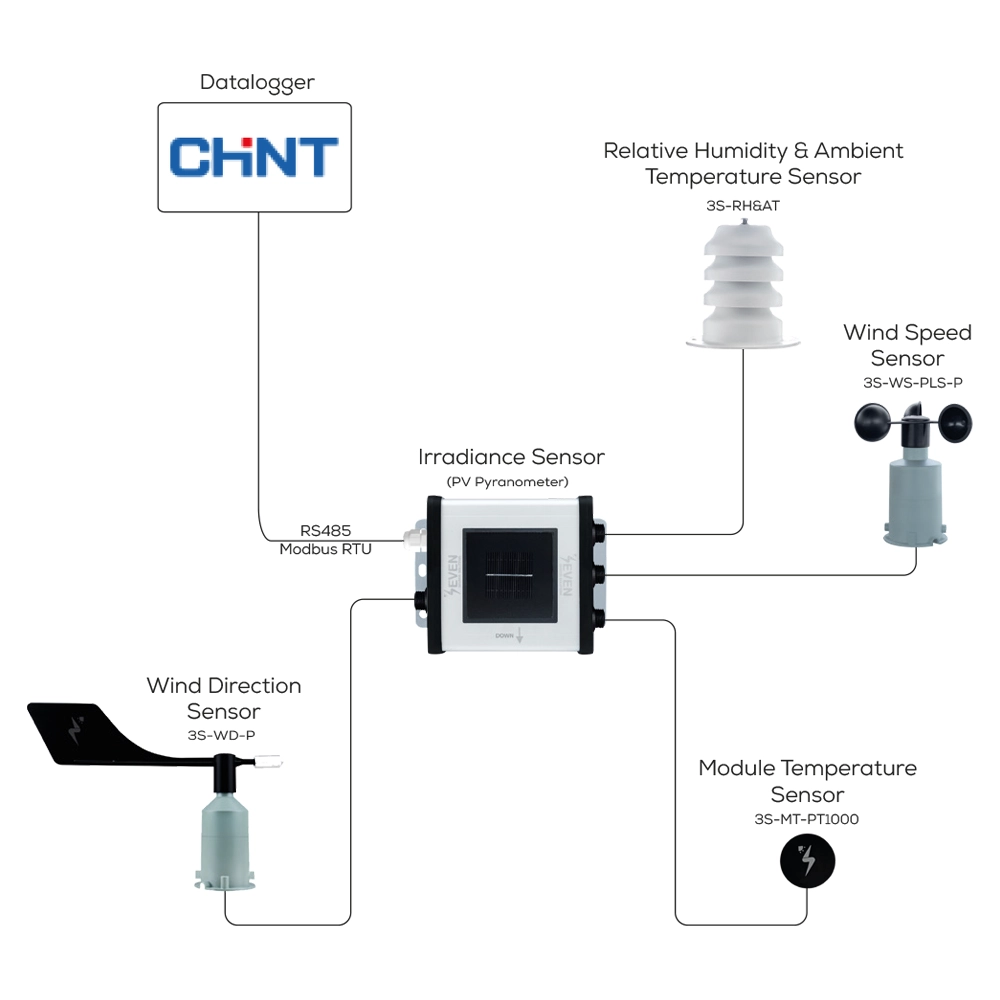
Chint Weather Station
If you are using a Chint datalogger and require precise weather data for solar performance analysis, this station is designed to bridge that gap. The SEVEN weather station measures site-specific conditions like irradiance, temperature, and wind, sending this data directly to your Chint controller via RS485 Modbus RTU. By integrating these sensors, you can accurately calculate your Performance Ratio (PR) and understand exactly how weather impacts your energy yield.
The required sensors in your weather station
| Product Photo | Sensor |
|---|---|
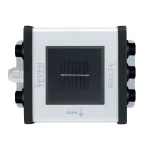
|
|
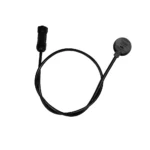
|
|
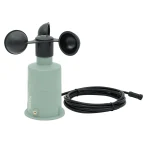
|
|
|
|
|
|
Which Sensors Are Included in a Chint Weather Station Setup?
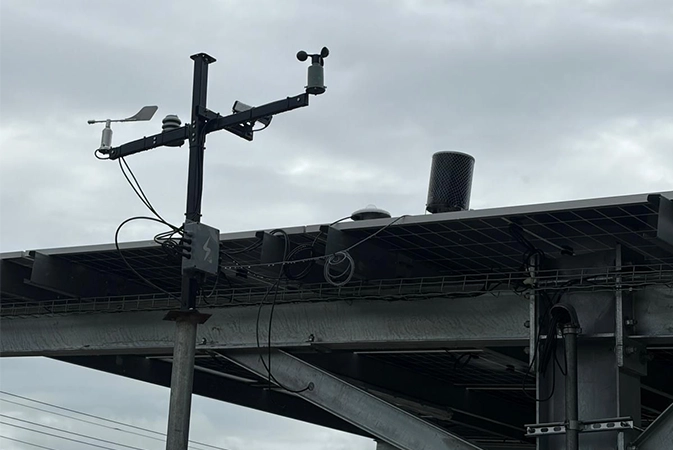
A standard meteorological setup for a Chint-compatible solar plant typically consists of the following core components to ensure comprehensive monitoring:
- Irradiance Sensor (PV Pyranometer): Acts as the central hub, measuring solar radiation and providing a compensated value through an internal cell temperature sensor.
- Module Temperature Sensor: Installed directly under the PV panels to track surface heat, a critical variable for PR calculations.
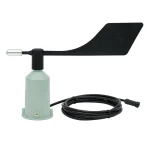
- Wind Speed & Direction Sensors: These sensors provide data on wind cooling effects and structural safety.
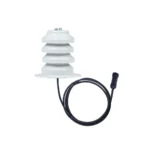
- Relative Humidity and Ambient Temperature Sensor: Measures the surrounding humidity and air temperature to analyze how they affect overall plant efficiency.
How Does Real-World Data Help You Monitor Performance?
Having hands-on experience with these installations shows that weather data is the only way to distinguish between a technical fault and a cloudy day.
A simple field example:
- Scenario A: If your energy output drops but your irradiance sensor shows a matching decrease, the cause is simply weather-driven.
- Scenario B: If irradiance remains high but energy production falls, you have a clear signal to investigate technical issues like soiling, shading, or inverter faults.
How Do You Connect and Commission the Sensors to ChintConnect Monitoring System?
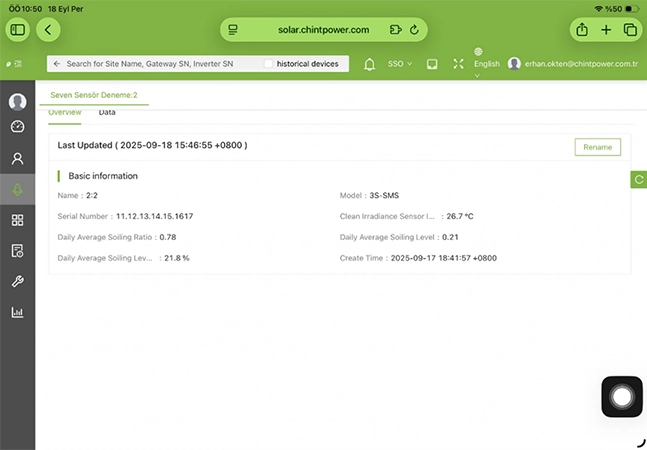
The SEVEN sensor box functions as a communication hub. It collects data from all peripheral sensors and transmits it to the Chint system using the RS485 Modbus RTU protocol.
- Mounting: Install sensors at the PV plant following the placement guidelines in the user manual.
- Wiring: Connect the RS485 lines (Data +, Data -, and Ground) to the Chint datalogger’s COM port.
- Power: Provide a DC supply, typically recommended at 24 VDC.
- Configuration: Once wired, the configuration is handled automatically within the ChintConnect interface. You simply need to select the appropriate SEVEN sensor model from the device list to begin monitoring.
- Verification: Check live measurements in your monitoring dashboard to ensure data is flowing correctly.
Frequently Asked Questions (FAQ)
Can I customize the sensor types included in the Chint Weather Station?
Absolutely. The irradiance sensor box can support up to four additional inputs, allowing you to include or exclude sensors based on your project requirements. Additionally other sensors such as the soiling sensor, pyranometer, albedometer etc. can be integrated into the system.
Does the SEVEN irradiance sensor require external power?
Yes, the sensor box requires a DC power supply between 12–30 VDC. For the most reliable performance in industrial environments, 24 VDC is highly recommended.
What is the delivery time for a Chint Weather Station?
Delivery schedules are determined by the specific order volume. For a single standard set including irradiance, module temperature, wind speed, wind direction, relative humidity & ambient temperature sensors, the typical shipping lead time is one week.
What is the price of the Chint Weather Station?
Since every solar project has different needs, the price varies based on the sensors you choose. For a full professional setup including irradiance, module temperature, wind speed, direction, humidity, and ambient temperature you’re looking at a range between 645 EUR and 1,175 EUR.
Does the equipment comply with international standards?
Safety and precision are our top priorities. Every sensor we manufacture is IEC-compliant and Class A rated. This ensures your Chint system receives high-accuracy data that stands up to professional audits and performance reviews.
Can I directly connect SEVEN sensors to Chint dataloggers?
Yes, the hardware is fully compatible via RS485 Modbus RTU. To simplify the setup, the configuration is handled automatically within the ChintConnect interface. You simply select the appropriate sensor model to begin monitoring.
What is the warranty period for the station?
We provide a 5-year warranty for the irradiance sensor and pyranometer. All other sensors in the station are covered by a 2-year warranty.
How do these sensors help monitor my plant's Performance Ratio (PR)?
By integrating real-time irradiance and temperature data into your Chint monitoring platform, you can calculate the PR accurately. This helps you distinguish whether a drop in energy production is caused by weather conditions or technical issues like soiling or inverter faults.
Do you provide support for international installations?
We support solar projects globally with various shipping options. Additionally, our engineering team offers remote commissioning and verification services to ensure your system is correctly configured after installation.