Heated Wind Direction Sensor With Modbus Output – 3S-WD-MB-H
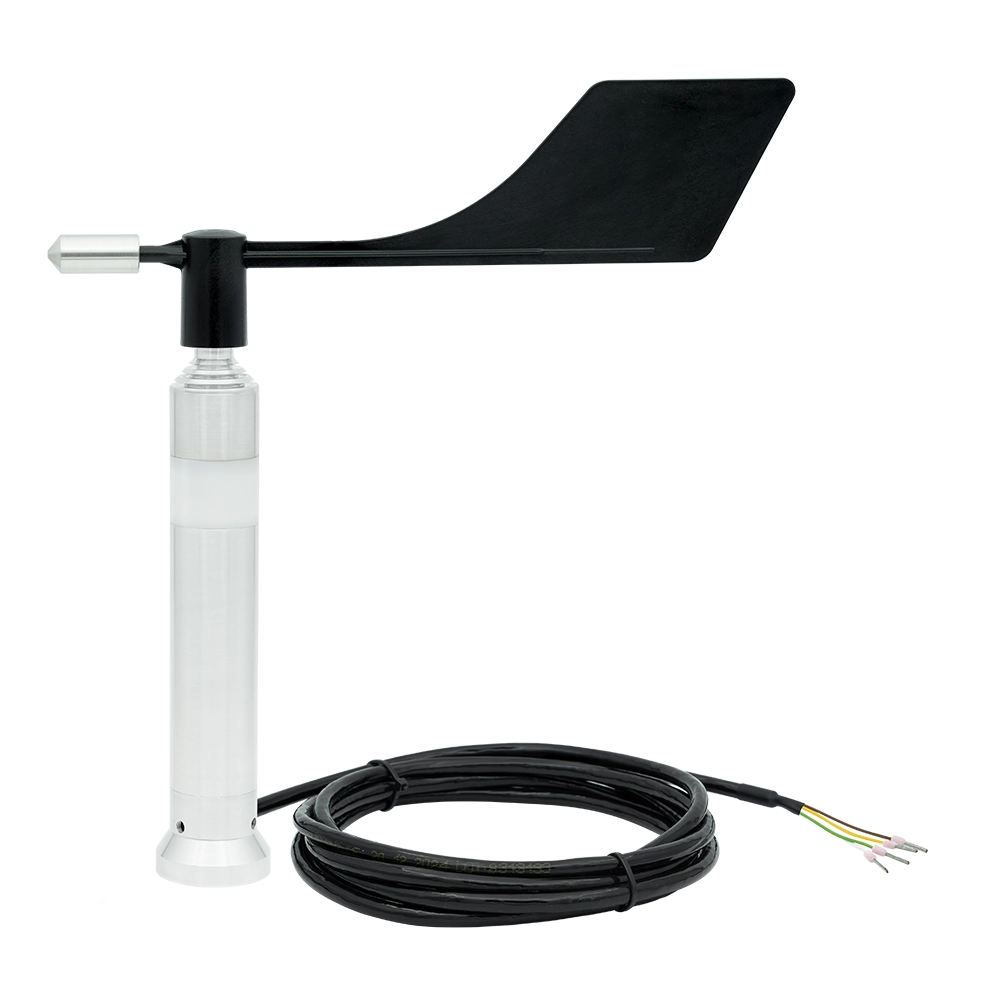
The Heated Wind Direction Sensor With Modbus Output (3S-WD-MB-H) is a strong and accurate horizontal wind direction measuring device designed for operation in cold‚ icy and humid conditions․ The wind direction is detected by a Hall effect position sensor and indicated in degrees (0 to 359․9°)․ Wind direction data is provided as a digital RS-485 Modbus RTU signal‚ suitable for real-time connection to SCADAs‚ PLCs and dataloggers․ The sensor has built-in heating to prevent freezing‚ allowing it to continue to work when conventional wind vanes stop․
TECHNICAL SPECIFICATIONS OF HEATED WIND DIRECTION SENSOR WITH MODBUS OUTPUT
| Item Code | 3S-WD-MB-H |
| Sensor Type | Vane-Driven Hall Effect Position Sensor |
| Measuring Range | 0-359,9° |
| Accuracy | ±1% of Measuring Value |
| Resolution | 0,1° |
| Threshold | 1 m/s |
| Data Output | RS485 up to 38400 Baud |
| Communication Protocol | Modbus RTU |
| Power Supply | 18 to 30 V DC (24 V DC recommended) |
| Power Consumption |
Typically @ 24 VDC:
Heating ON: 1A
Heating OFF: 53 mA
|
| Cable Length & Features | 1 m 3x2x0,22 mm² – LI2Y(st) C11Y Cable, UV and Weather Resistant |
| Operating Temperature Range | -40°C … +85°C |
| Dimensions | Ø 265 mm x 285 mm |
| Box Dimensions | 80 mm x 82 mm x 55 mm (W x L x H) |
| Weight | 0,34 kg |
| IP Rating | IP 54 |
| Housing Material | Aluminium and Polyamide |
| Vane Material | P6GF20 |
| Mounting Method | Pipe or Ground Mounting |
| Standard | Compliant to IEC 61724-1:2021 |
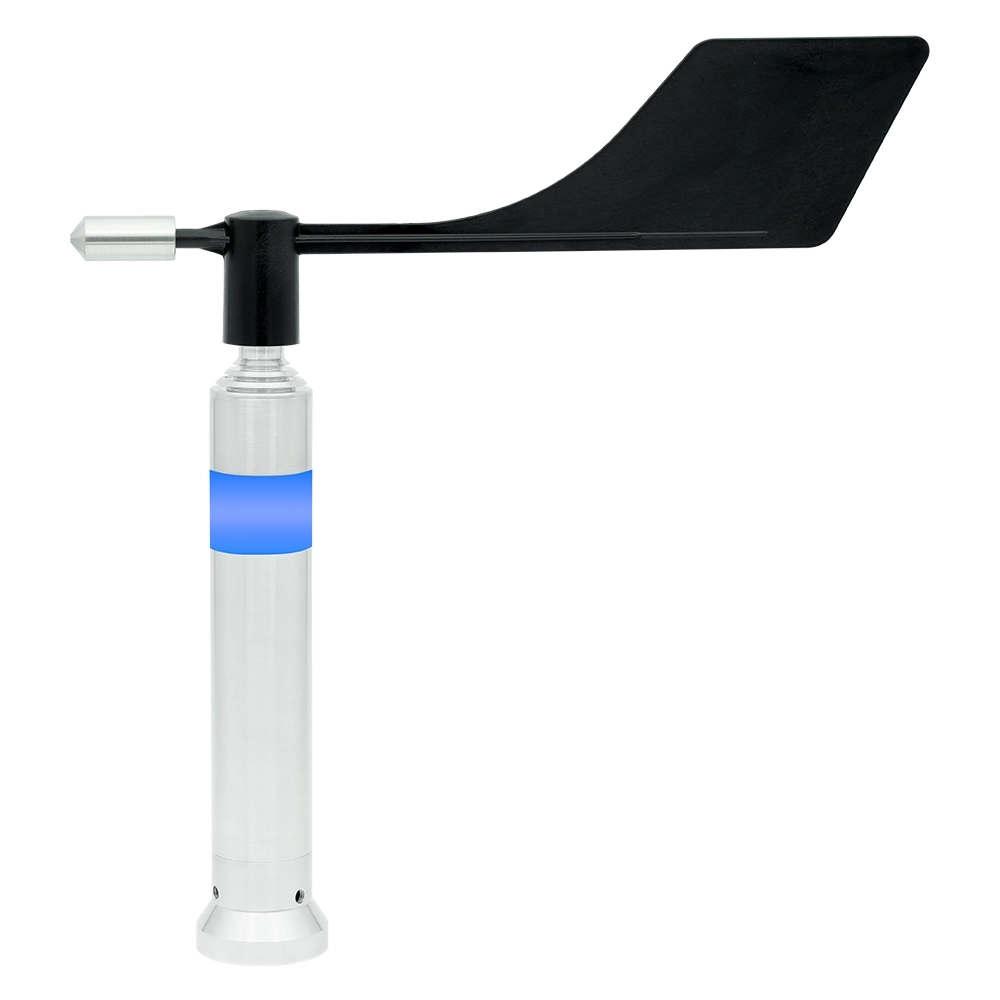
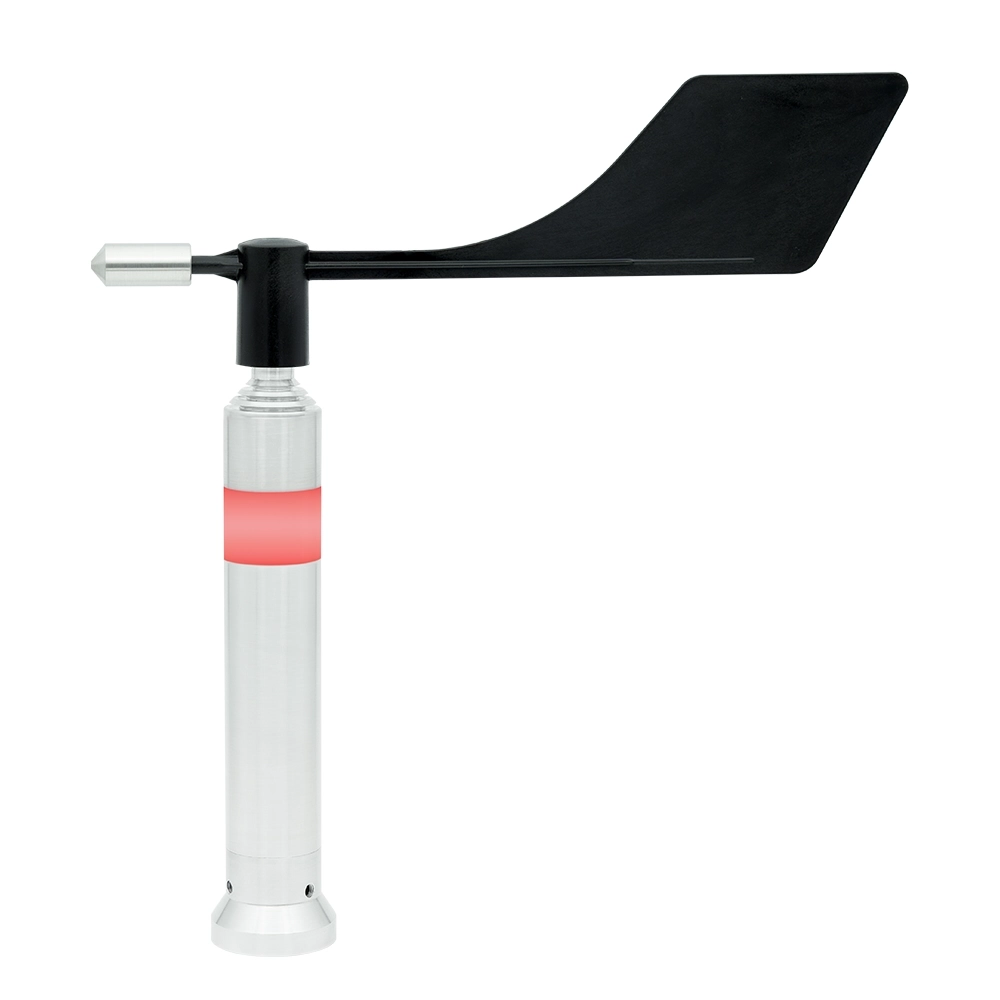
| Heating Range | Blue Light: 10°C<Internal Aluminum Heat(°C)<20°C (Heating off) Red Light: From Internal Aluminum Heat(°C) ≤ 10°C (Heating on), To Internal Aluminum Heat (°C) ≥ 20°C Heating off |
What is the advantage of using a heated wind direction sensor rather than a non-heated one?
A simple wind direction sensor may not work well if frost snow‚ or ice forms on the vane or moving parts of the sensor‚ causing loss of weather data‚ false alarms‚ or increased maintenance due to freezing conditions․
In order to perform correctly in such an environment‚ the 3S-WD-MB-H is designed with a heating system that is controlled by a temperature sensor within the sensor body․ This will help to prevent the sensor from freezing and ensure that wind direction can be measured․
What Are the Key Advantages of the 3S-WD-MB-H?
The heated wind direction sensor has many advantages including:
- It can work more reliably in freezing weather because of the automatic heating support.
- Digital Modbus RTU communication over RS-485 allows long cable distance and stable data transfer in industrial environments.
- Compliance with IEC 61724-1:2021 makes it suitable for solar monitoring and professional meteorological applications.
- It can be installed easily with pipe mounting or ground mounting options.
- It has visual status indication with heating/status light behavior shown in the datasheet drawings.
How Does the Heated Wind Direction Sensor Work?
The sensor uses a wind vane to follow the wind direction. Inside the device, a Hall effect position sensor detects the vane angle and converts it into an electrical signal that shows the direction in degrees. Then this value is transmitted digitally by Modbus RTU over RS-485, so the connected device can read the wind direction correctly.
What makes this model different is the heating feature. The sensor checks internal temperature conditions and controls the heating automatically according to defined limits. The heating system is added to reduce problems caused by freezing and also to reduce the need for manual de-icing in remote locations.
How Does the Heating Function Operate?
The sensor continuously monitors the internal aluminum temperature to control the heating function automatically. When the internal aluminum temperature is 10°C or lower, the red light turns on and heating starts. When the temperature becomes 20°C or higher, the heating stops and the blue light turns on. Between 10°C and 20°C, the blue light is on as the heating is off.
This automatic temperature-based control helps protect the sensor against icing and supports reliable and continuous operation in low temperature conditions.
Where Is the 3S-WD-MB-H Commonly Used?
The heated wind direction sensor is a good choice for sites where wind data should stay available during winter or in severe weather conditions. Some common application areas are:
- Mountain and high-altitude monitoring sites
- Cold climate meteorological stations
- Remote environmental monitoring projects
- Industrial facilities exposed to frost, snow, or icing conditions
How Do You Install the 3S-WD-MB-H?
Installation details can be different depending on the project, but the general steps are simple:
- Mount the sensor on a suitable pipe or ground structure.
- Put it in an open location, away from nearby objects or structures that may affect airflow.
- Align the sensor correctly according to the site reference direction.
- Connect the power supply and RS-485 communication lines according to the Modbus wiring plan.
- During commissioning, check communication and confirm the status indication.
What Maintenance Does the Sensor Need?
One practical advantage of Hall effect based sensing is lower mechanical wear compared to the other models. In normal operation, maintenance is usually limited to:
- Periodic visual inspection
- Checking cable condition and mounting stability
- Making sure the vane can move freely
- Checking communication and heating status during cold weather inspections
For critical PV or meteorological installations, yearly scheduled inspection is a reasonable preventive maintenance practice. In more severe environments, more frequent checks may be needed.
Quick Summary Table: Why This Model Stands Out
The Heated Wind Direction Sensor stands out for its reliable performance in harsh weather conditions, helping maintain accurate wind direction measurements even in cold and icy environments.
| Feature | Benefit |
| Automatic heating | Helps prevent freezing-related data loss |
| Hall effect sensing | Stable, low-wear wind direction detection |
| Modbus RTU over RS-485 | Easy integration and reliable long-distance communication |
| 0 to 359.9° range | Full wind direction coverage |
| 0.1° resolution | Fine directional measurement |
| IEC 61724-1:2021 compliance | Suitable for professional PV monitoring applications |
| Aluminum + polyamide body | Durable construction for outdoor use |
Frequently Asked Questions (FAQ)
What is the measuring range of the 3S-WD-MB-H?
The sensor measures horizontal wind direction from 0 to 359.9°.
What output does the SEVEN Heated Wind Direction Sensor use?
It communicates with Modbus RTU over RS-485 and supports baud rates up to 38400.
How does the heating function start?
The heating starts when the internal aluminum temperature is 10°C or lower. It stops when the temperature becomes 20°C or higher.
Is the sensor suitable for freezing environments?
Yes. The sensor is specially made for cold, icy, and frost conditions. The heating system helps the sensor work more reliably in these environments.
What systems can the Heated Wind Direction Sensor connect to?
It can be connected to SCADA systems, PLCs, dataloggers, and other Modbus-compatible controllers.
What power supply does 3S-WD-MB-H Sensor require?
The sensor works with 18 to 30 V DC power supply. 24 V DC is recommended.
Is the Heated Wind Direction Sensor compliant with IEC 61724-1:2021?
Yes. The sensor is compliant with IEC 61724-1:2021.
What is the IP rating of Heated Wind Direction Sensor 3S-WD-MB-H?
The sensor has IP54 protection rating.